Cancer Targeted Therapy Market to Reach US$ 235.68 Billion by 2031, Driven by Precision Oncology Advances
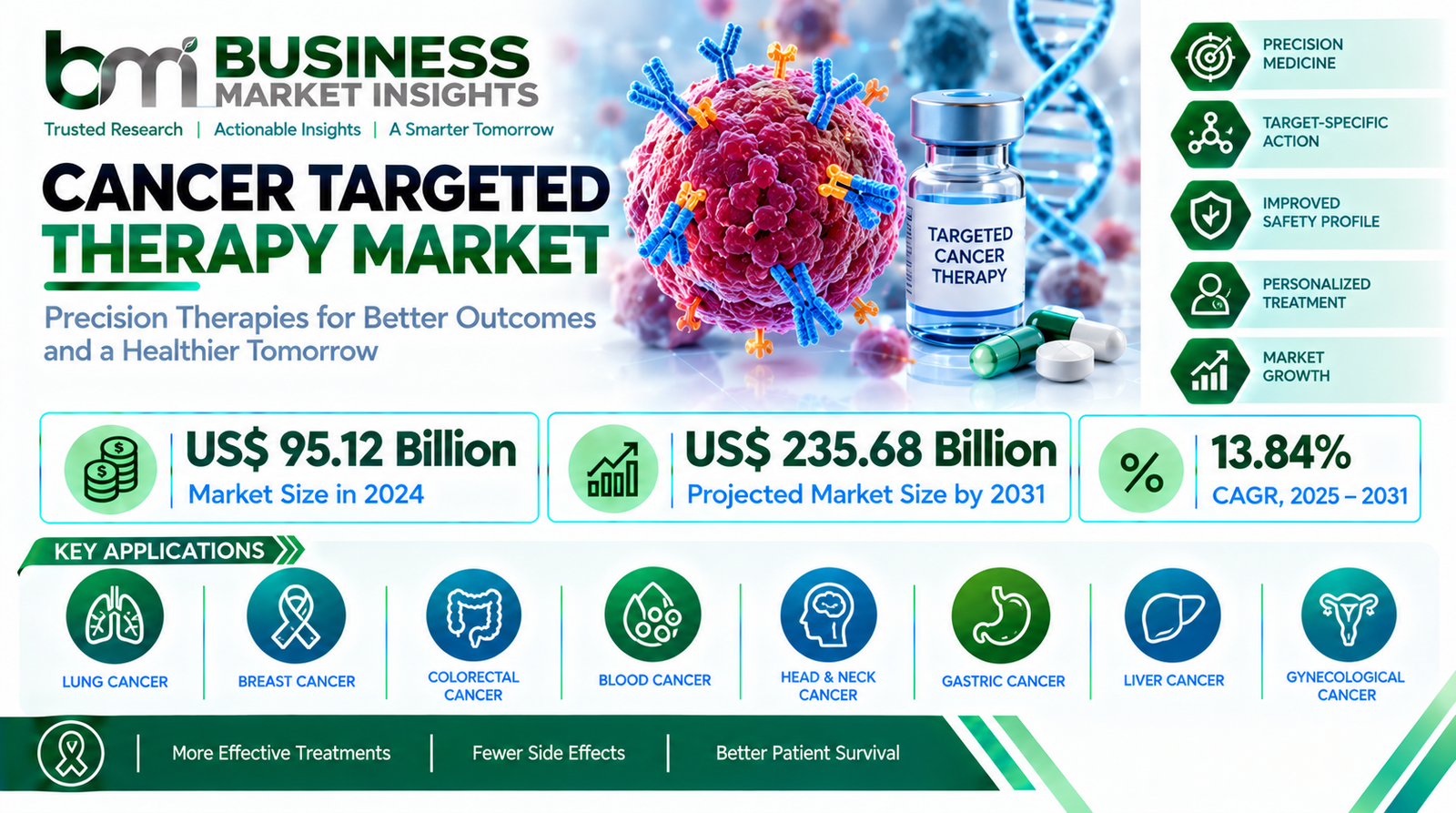
The Cancer Targeted Therapy Market size was valued at US$ 95.12 billion in 2024 and is projected to reach US$ 235.68 billion by 2031, growing at a CAGR of 13.84% during 2025–2031. Advancements in genomic profiling and biomarker discovery, increasing adoption of precision medicine, rising cancer prevalence, and a robust pipeline of monoclonal antibodies and small-molecule inhibitors are supporting market growth. Targeted therapies are designed to interfere with specific molecules and biological pathways involved in cancer growth, creating opportunities to improve treatment selection across multiple cancer types.
Market Overview
The Cancer Targeted Therapy Market is expanding as healthcare providers increasingly adopt personalized treatment approaches based on tumor characteristics and molecular biomarkers. Targeted therapies work by blocking specific proteins or pathways that help cancer cells grow, divide, or spread. These treatments include monoclonal antibodies, tyrosine kinase inhibitors, immune checkpoint inhibitors, cancer vaccines, gene therapy, and others.
The market is segmented by Therapy Type into Monoclonal Antibodies, Tyrosine Kinase Inhibitors, Immune Checkpoint Inhibitors, Cancer Vaccines, Gene Therapy, and Others; by Indication into Blood Cancer, Lung Cancer, Breast Cancer, Colorectum Cancer, Prostate Cancer, Stomach Cancer, Cervical Cancer, Liver and Intrahepatic Bile Duct Cancer, Thyroid Cancer, and Others; and by Distribution Channel into Hospital Pharmacies, Retail Pharmacies, and Online Stores.
Monoclonal antibodies dominated the therapy type segment in 2024, supported by their ability to target specific antigens associated with cancer cells. Lung cancer held the largest share by indication, reflecting the importance of actionable molecular alterations and biomarker-guided treatment. Hospital pharmacies represented the leading distribution channel because many cancer therapies require specialized handling, administration, and clinical monitoring. Asia Pacific is expected to grow significantly during the forecast period.
Check valuable insights in the Cancer Targeted Therapy Market report. You can easily get a sample PDF of the report – https://www.businessmarketinsights.com/sample/BMIPUB00031706
Key Market Trends
Growing Adoption of Precision Oncology
Precision oncology is changing cancer treatment by using molecular information to guide therapy selection. Genomic profiling and biomarker testing help identify specific alterations that may respond to targeted medicines. As diagnostic capabilities improve, healthcare providers can increasingly match eligible patients with therapies designed for their tumor characteristics.
Increasing Development of Monoclonal Antibodies
Monoclonal antibodies are an important category of targeted cancer therapies because they bind to specific antigens or proteins associated with cancer cells. Continued pharmaceutical research is expanding antibody-based treatment options across several cancer indications. Advances in antibody engineering and combination treatment strategies are also creating opportunities for new therapeutic approaches.
Expansion of Biomarker-Based Treatment
Biomarker testing is becoming increasingly important in identifying patients who may benefit from specific targeted therapies. Molecular diagnostics can help detect alterations such as EGFR and other actionable biomarkers, supporting more individualized treatment decisions. Growing integration of testing into oncology care is creating opportunities for therapy developers and diagnostic companies.
Development of Targeted Treatment Combinations
Pharmaceutical companies are exploring combinations of targeted therapies with immunotherapy, chemotherapy, and other treatment approaches. These strategies aim to improve treatment response and address challenges such as disease progression and resistance. Continued clinical research is expanding the range of potential treatment options across cancer types.
Global Market Insights
The Cancer Targeted Therapy Market is being shaped by advances in cancer biology, increasing investment in oncology research, and growing demand for personalized treatment. Targeted medicines are designed to interfere with specific molecular pathways involved in cancer development, offering treatment options for patients whose tumors have identifiable therapeutic targets.
The industry ecosystem includes pharmaceutical companies, biotechnology firms, diagnostic developers, hospitals, research institutions, and specialty pharmacies. Market participants are investing in clinical trials, drug discovery, companion diagnostics, and biomarker research to expand treatment options and improve patient selection.
Monoclonal antibodies and tyrosine kinase inhibitors remain important therapy categories, while immune checkpoint inhibitors and other emerging approaches contribute to the evolving treatment landscape. Lung cancer and other indications with actionable molecular alterations continue to provide opportunities for targeted treatment development. The role of hospital pharmacies remains significant because cancer therapies often require specialist oversight and coordinated patient care.
Explore the Cancer Targeted Therapy industry overview for additional market insights: https://www.businessmarketinsights.com/industry-overview/cancer-targeted-therapy-market
Regional Analysis
North America
North America represents an important market for cancer targeted therapy, supported by advanced healthcare infrastructure, established pharmaceutical research capabilities, and access to innovative cancer treatments. The region benefits from the adoption of molecular diagnostics, biomarker testing, and precision medicine across oncology care.
The United States provides significant opportunities through its biotechnology sector, clinical research networks, and investment in cancer drug development. Continued development of targeted medicines and growing integration of genomic profiling into treatment planning are supporting regional market growth.
Europe
Europe is an established market supported by healthcare infrastructure, cancer research programs, and increasing adoption of personalized treatment approaches. Pharmaceutical innovation and the integration of molecular diagnostics into oncology pathways are contributing to demand for targeted therapies.
Germany, the United Kingdom, France, and other European countries offer opportunities through clinical research, specialist cancer centers, and established pharmaceutical industries. Market development also depends on reimbursement policies, regulatory requirements, and access to advanced treatments.
Asia Pacific
Asia Pacific is expected to grow significantly during the forecast period, supported by rising cancer prevalence, increasing healthcare investment, and wider adoption of molecular diagnostics. Improvements in oncology infrastructure and the expansion of pharmaceutical research are contributing to regional opportunities.
China, Japan, India, South Korea, and Australia are important markets as healthcare systems and biotechnology industries continue to develop. Growing diagnostic capabilities and investment in advanced cancer treatments may support wider use of targeted therapies across the region.
Rest of the World
The Middle East and Africa, and South and Central America offer opportunities as cancer care infrastructure and access to advanced treatments improve. Increasing investment in diagnostic services, specialist healthcare facilities, and oncology programs may support the adoption of targeted therapies.
Market development across these regions will depend on treatment affordability, availability of molecular testing, healthcare investment, reimbursement conditions, and access to trained oncology professionals.
Market Forecast by 2031
The Cancer Targeted Therapy Market is projected to increase from US$ 95.12 billion in 2024 to US$ 235.68 billion by 2031, reflecting a CAGR of 13.84% during 2025–2031.
Monoclonal antibodies are expected to remain an important therapy category, while lung cancer and other biomarker-associated indications continue to create opportunities for targeted treatment development. Advances in genomic profiling, new drug approvals, and growing adoption of precision medicine may further support market expansion.
Strategic Analysis
Companies operating in the market are focusing on research and development, clinical trials, product innovation, and strategic collaborations. Developing therapies against novel molecular targets can help address unmet medical needs and expand treatment options for specific cancer populations.
Strategic priorities include strengthening oncology pipelines, improving biomarker identification, expanding companion diagnostic partnerships, and developing treatment combinations. Companies that demonstrate clinical value, secure regulatory approvals, and improve access to innovative therapies may strengthen their competitive positions in the global market.
Market Drivers
Rising Global Cancer Burden
The continuing burden of cancer increases demand for effective and individualized treatment options. Targeted therapies provide additional choices for patients whose tumors contain molecular alterations that can be addressed by specific medicines. Growing investment in oncology services and treatment innovation is supporting market development.
Advances in Genomic Profiling and Biomarker Discovery
Improvements in genomic testing and biomarker research help identify molecular changes associated with cancer. These advances support treatment selection and enable pharmaceutical companies to develop medicines for specific patient populations. Greater use of molecular diagnostics is contributing to the adoption of targeted therapies.
Increasing Pharmaceutical Research and Development
Pharmaceutical and biotechnology companies are investing in new targeted medicines, antibody-based treatments, and small-molecule inhibitors. Clinical research into cancer pathways and emerging molecular targets is expanding the potential treatment landscape and creating opportunities for market participants.
Market Opportunities
Discovery of Novel Therapeutic Targets
Ongoing research into cancer biology is identifying new molecular pathways that may be targeted by innovative medicines. Developing therapies against these targets offers opportunities to address cancers with limited treatment options and to expand treatment choices for patients with specific molecular profiles.
Expansion of Companion Diagnostics
Companion diagnostics help identify patients who may benefit from particular targeted therapies. Collaboration between pharmaceutical companies and diagnostic developers can support treatment selection, clinical development, and commercialization. Wider adoption of biomarker-based testing may create further opportunities across oncology.
Growing Adoption in Emerging Markets
Investment in healthcare infrastructure, diagnostic capacity, and specialist oncology services may increase access to targeted therapies in emerging markets. Companies that address affordability, distribution, and diagnostic availability can pursue opportunities as healthcare systems expand their cancer treatment capabilities.
Market Restraints
High Treatment and Diagnostic Costs
Targeted cancer medicines and advanced molecular tests can be expensive. High treatment costs and limited reimbursement may restrict access for patients and place financial pressure on healthcare systems. These challenges can slow adoption, particularly in cost-sensitive markets.
Drug Resistance and Variable Treatment Response
Cancer cells may develop resistance to targeted therapies, while treatment effectiveness can vary depending on tumor biology and individual patient characteristics. These challenges can limit long-term treatment benefits and increase the need for additional research, monitoring, and alternative therapeutic strategies.
Competitive Landscape
The competitive environment includes pharmaceutical and biotechnology companies developing targeted cancer medicines, antibody-based treatments, and other precision oncology solutions. Competition is influenced by research pipelines, clinical evidence, regulatory approvals, product portfolios, and strategic collaborations.
Key companies profiled in the report include:
· Astellas Pharma Inc.
· Eli Lilly and Company
· Novartis AG
· Merck KGaA
· Johnson & Johnson
· AstraZeneca
· Pfizer Inc.
· Bristol Myers Squibb
· F. Hoffmann-La Roche Ltd.
· AbbVie
Market participants are pursuing research partnerships, clinical development programs, and portfolio expansion to strengthen their positions. Continued innovation and the ability to address specific molecular targets and unmet treatment needs remain important factors in competitive differentiation.
Get Premium Research Report of Cancer Targeted Therapy Market Size and Growth Report by 2031 at: https://www.businessmarketinsights.com/buy/BMIPUB00031706
Conclusion
The Cancer Targeted Therapy Market is positioned for substantial growth through 2031 as precision medicine, biomarker testing, and targeted drug development continue to advance. Monoclonal antibodies, lung cancer treatment, and hospital pharmacy distribution are important components of the current market landscape. Asia Pacific offers significant growth potential, while established markets continue to support research and adoption. Companies that prioritize clinical innovation, diagnostic partnerships, and access to treatment may be well positioned to address evolving oncology needs.
Related Reading / Reports
1. Cancer Biomarkers Market: Analysis of cancer-related biomarkers, precision oncology, and diagnostic applications supporting targeted treatment decisions.
2. Oncology Molecular Diagnostics Market: Insights into molecular testing technologies and their role in cancer diagnosis and personalized treatment.
3. Companion Diagnostics Market: Coverage of diagnostic technologies used to identify patients who may benefit from specific therapies.
4. Personalized Medicine Market: Analysis of personalized treatment approaches, genomic testing, and precision healthcare applications.
About Us
Business Market Insights is a market research platform that provides subscription service for industry and company reports. Our research team has extensive professional expertise in domains such as Electronics & Semiconductor; Aerospace & Defense; Automotive & Transportation; Energy & Power; Healthcare; Manufacturing & Construction; Food & Beverages; Chemicals & Materials; and Technology, Media, & Telecommunications.
Contact us:
· If you have any questions about this report or would like further information, please contact us:
· Contact person: Ankit Mathur
· Email: sales@businessmarketinsights.com
· Phone: +16467917070