Antimicrobial Textiles Market to Reach US$ 25.16 Billion by 2034 as Infection Control Demand Soars
The Antimicrobial Textiles Market is growing steadily as hospitals, athletes and homes look for fabrics that stay cleaner for longer. It was valued at US$ 13.97 billion in 2025. It is expected to reach US$ 25.16 billion by 2034. That works out to a CAGR of 6.75% between 2026 and 2034. Antimicrobial textiles are treated to slow the growth of bacteria, fungi and viruses on fabric. They help limit odor, wear and the spread of germs.
What Is Driving the Market?
Healthcare demand is the first big driver. Hospitals and clinics put patient safety and infection prevention first. They want textiles that help control the spread of microbes. Curtains, bedding, uniforms, and wall and floor coverings now often carry antimicrobial treatments to raise hygiene.
Hospital-acquired infections are the second driver. These infections create real challenges for care providers. Hospitals design and adopt new textiles as part of broader infection control, and the fabrics help block pathogens from spreading.
Get a Sample Report https://www.theinsightpartners.com/sample/TIPRE00006945
Science and materials progress is the third driver. Textile engineering now produces finishes that guard against bacteria, fungi and even viruses for a long time. Research budgets are growing, and so is the range of effective antimicrobial fabrics.
Which Segment Leads?
The report covers the market by active agent, fabric and application. By active agent, it covers bio-based agents, metal and metallic salts, and synthetic organic compounds. Metal and metallic salts is expected to grow fastest. Silver and copper are well-known examples, and both fight microbes effectively.
By fabric, the report covers cotton, polyamide, polyester and others.
By application, the market spans medical textiles, apparel, home textiles, commercial textiles, industrial textiles and others. Medical textiles lead on safety grounds.
Which Region Leads?
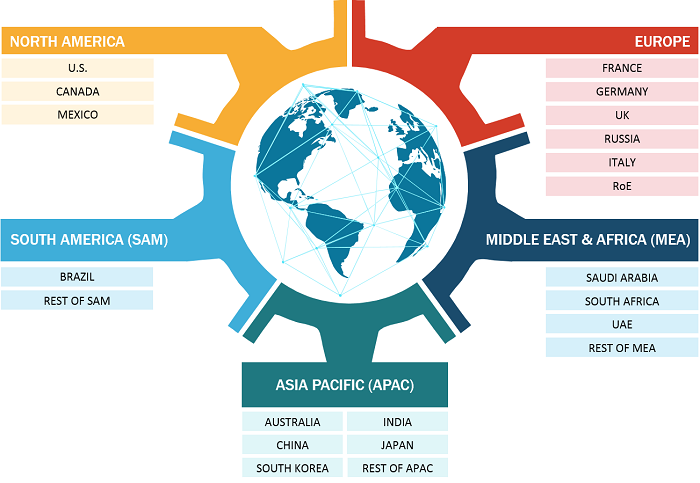
Asia Pacific held the largest share of the market. The region is a major hub for textile manufacturing, which supports strong demand and supply.
The report also covers North America, Europe, South and Central America, and the Middle East and Africa. It names the United States as a key market, helped by healthcare demand, use in healthcare facilities and materials progress.
Which Companies Are Prominent?
- The Aditya Birla Group
- Fuji Chemical Industries
- Herculite
- Indorama Ventures Public Company Limited
- Kolon Industries
- Response Fabrics
- Sanitized AG
- Sarex Textile Chemicals
- Toyobo Co
- Vardhman Holdings Limited
- Milliken and Company
This group blends fiber makers, fabric producers and specialty chemical firms. Competition centers on how long the treatment lasts, how safe it is and how well it holds up after repeated washing. Firms that can add antimicrobial features without hurting comfort have an edge.
Buy the Full Report https://www.theinsightpartners.com/buy/TIPRE00006945
What Is Changing in 2026?
Healthcare textiles are in rising demand. Hospital linens, gowns and patient-care fabrics are being upgraded with antimicrobial properties. The aim is to reduce the spread of harmful bacteria, fungi and viruses.
Sustainability is shaping the market too. Makers focus on eco-friendly and biodegradable materials, and they adopt natural agents such as silver, copper and plant-based solutions. Buyers in fashion and home textiles want responsible products.
Activewear is another shift. Athletic consumers want fabrics that resist odor, wick moisture and fight bacteria. Treated fabrics help reduce body odor and skin irritation in fitness apparel, socks and sports gear. The report names development of new antimicrobial agents as the key market trend.
What Are the Investment Opportunities?
Sustainable antimicrobial treatments offer the clearest opening. As buyers pay more attention to the environment, demand for green textiles should rise. Agents that work well and harm the environment less will stand out.
Organic and bio-based substances are a second opportunity. They lower the environmental effect of textile production and appeal to green-minded shoppers. Firms that invest in these technologies can claim a valuable niche.
Wider end-use demand is a third. Interest in eco-friendly antimicrobial textiles now reaches fashion, home textiles and activewear. The total addressable market for 2026 to 2034 is projected at about US$ 176.78 billion. Companies that blend proven protection with sustainable credentials are well placed to capture a share.
Related Reading / Reports
Explore additional research from The Insight Partners covering related textile and fabric markets:
- Recycled Textile Market — covers textiles made from reclaimed fibers.
- Industrial Gloves Market — covers protective hand wear for work settings.
- Automotive Fabric Market — covers fabrics used in vehicle interiors.
- Denim Fabrics Market — covers denim used in apparel.
Contact US
For any queries about this report or custom research, reach out to us:
Phone: +1-646-491-9876
E-mail: sales@theinsightpartners.com
Also Available in : Korean | German | Japanese | French | Chinese | Italian | Spanish